Project Saathi — Koru Foundation
Koru Foundation · Health Initiative

Project
Saathi

Breaking Taboos. Restoring Dignity.

Project Saathi is an initiative aimed at spreading awareness about menstrual health, hygiene, and sustainable menstrual products among students, teachers, and community members. By breaking taboos and promoting eco-friendly alternatives, we empower individuals with the knowledge and resources needed for a healthier, more sustainable approach to menstruation.

7
Sessions
conducted
1,020+
Participants
engaged
500+
Eco-friendly pads
distributed
1,020+
Lives impacted
across communities
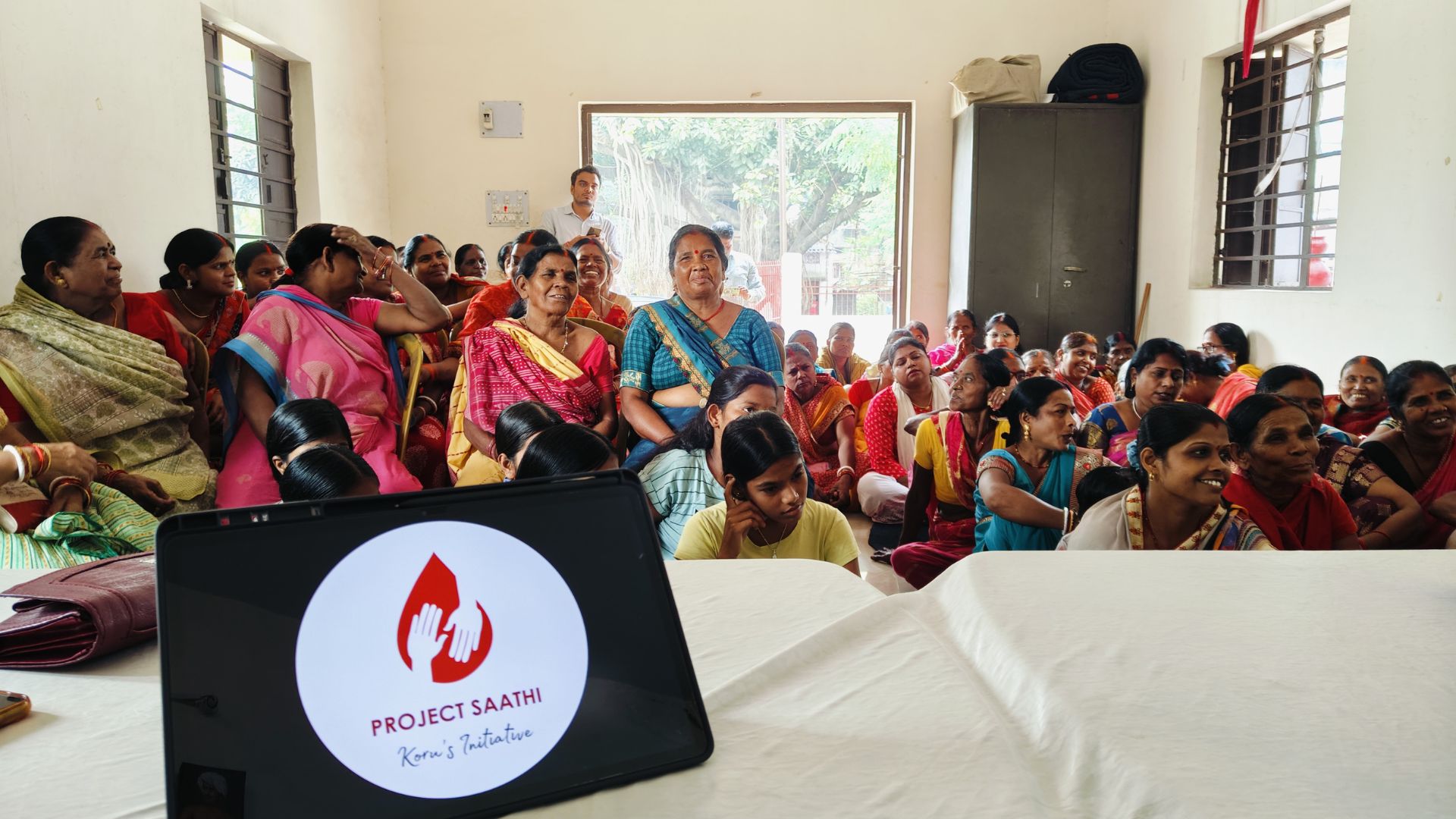
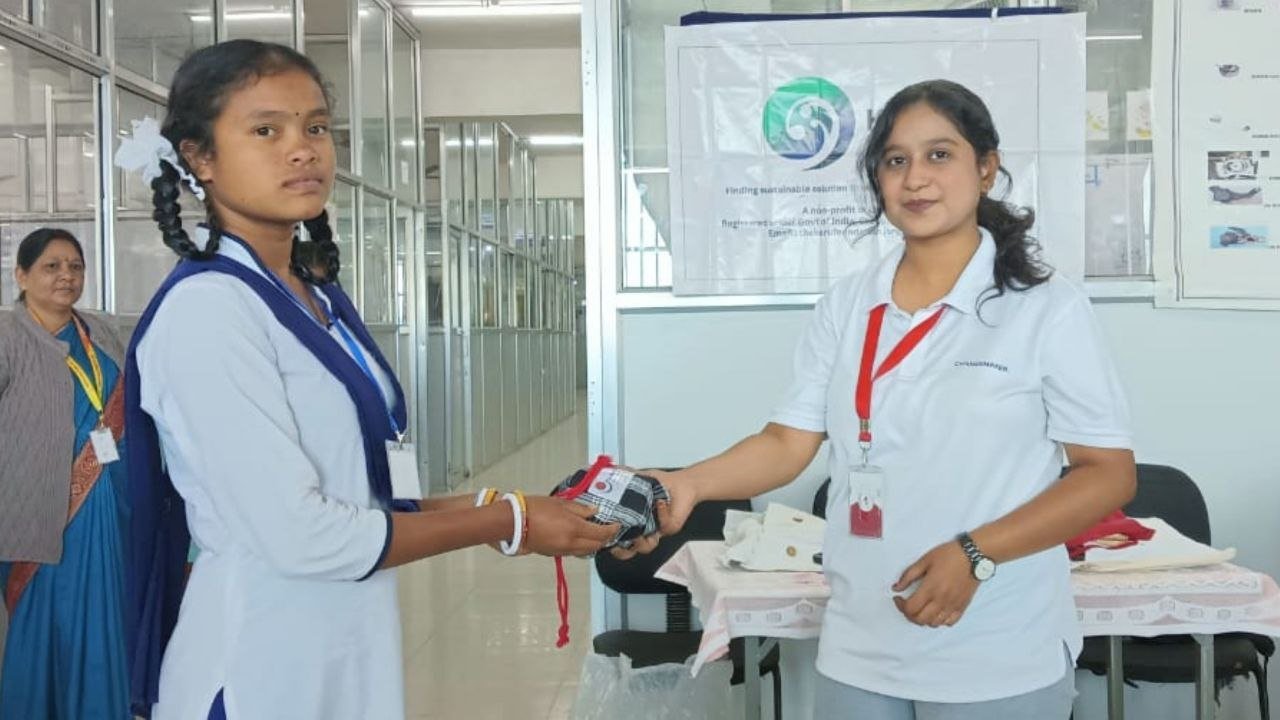
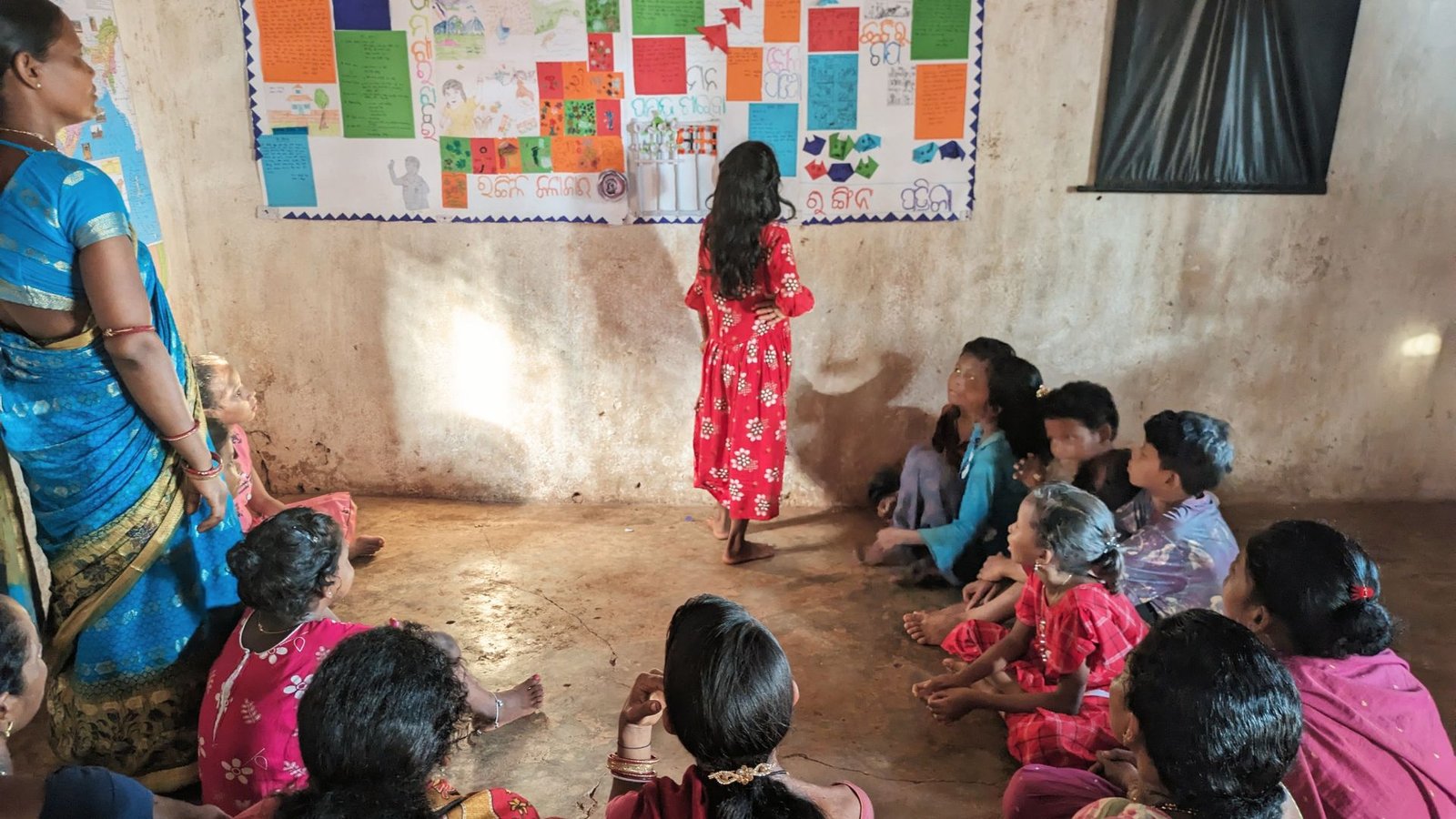
Saathi session
🌸Image 1 — Top wide
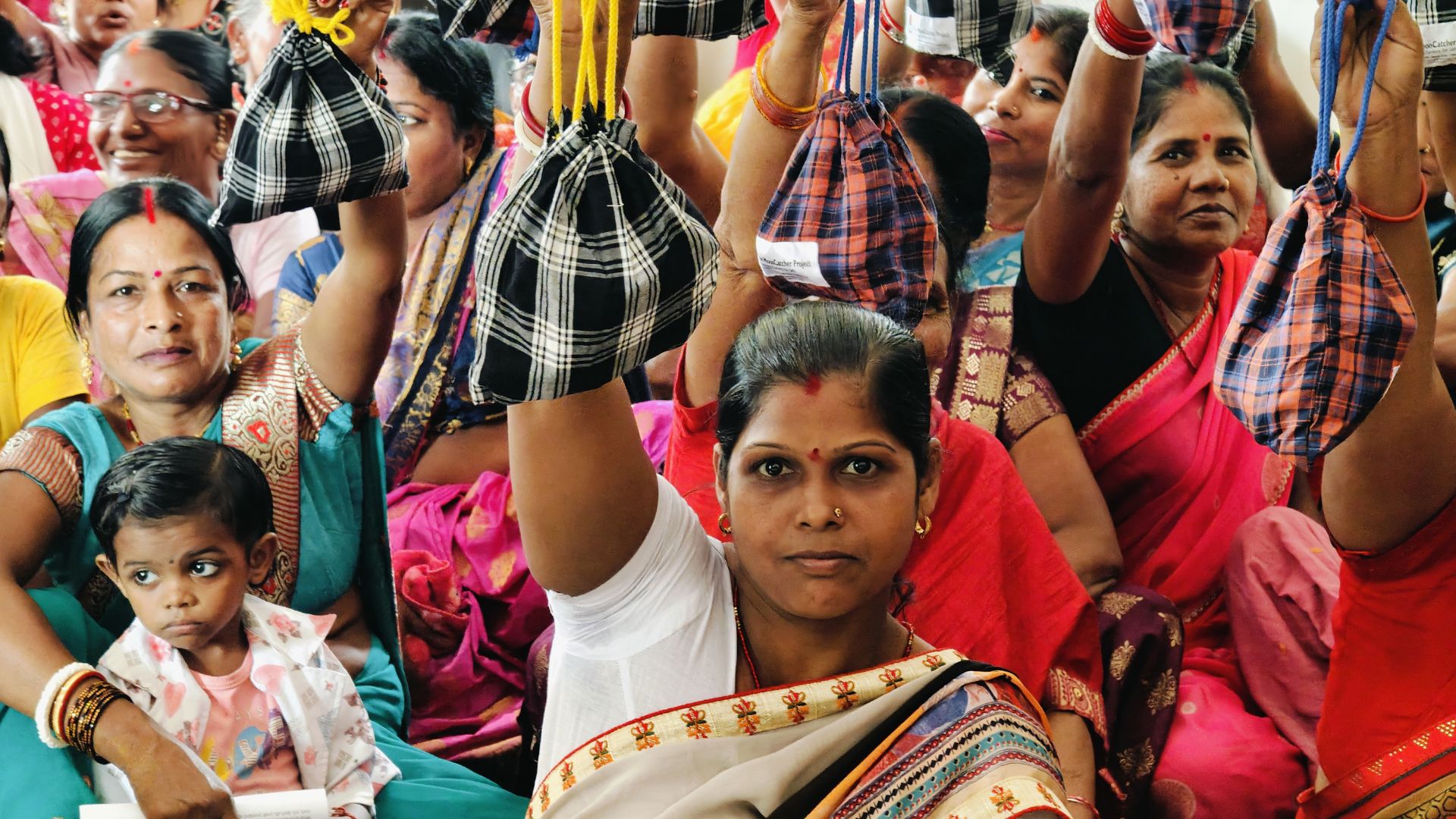
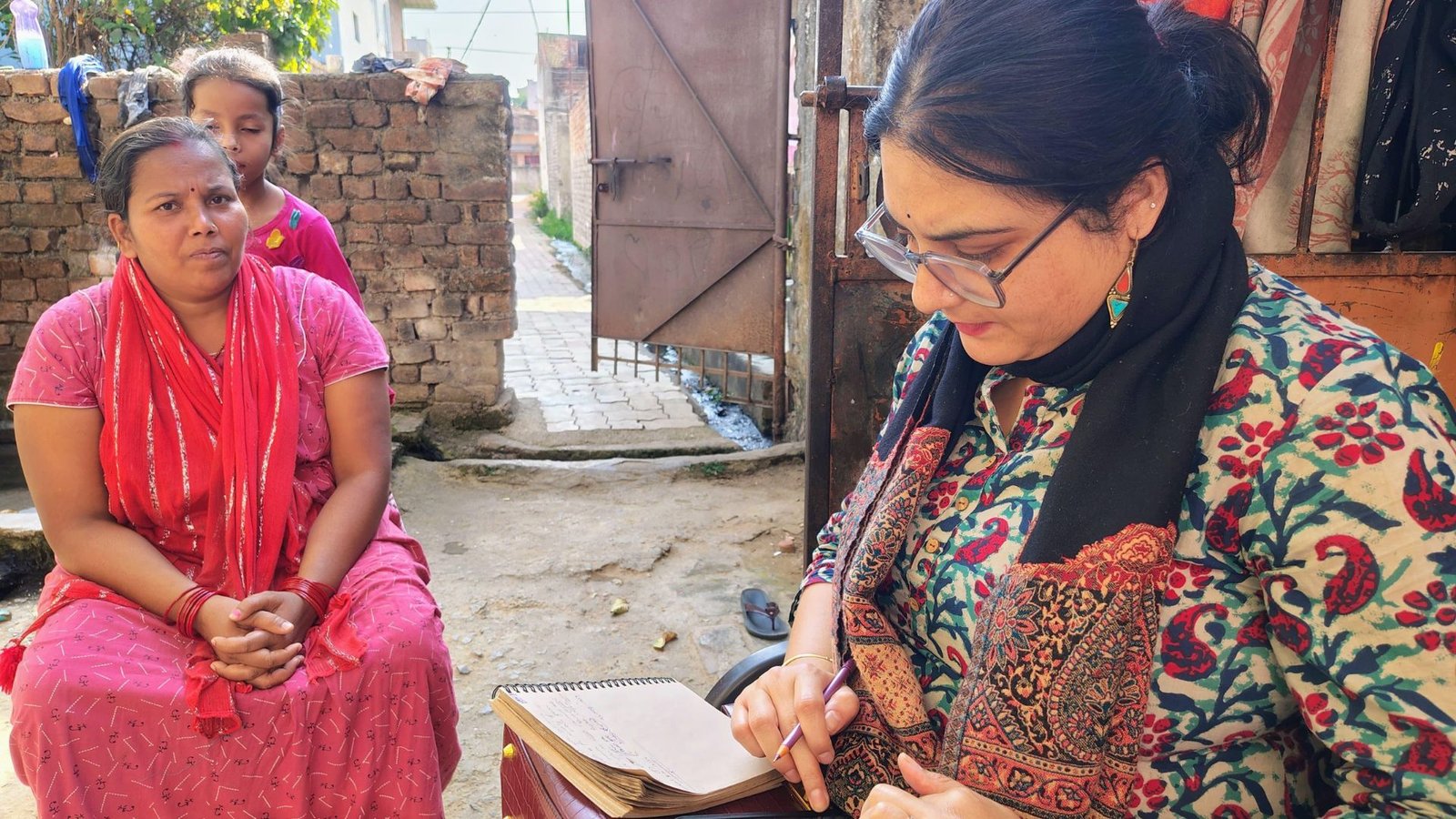
Community session
🌸Image 2
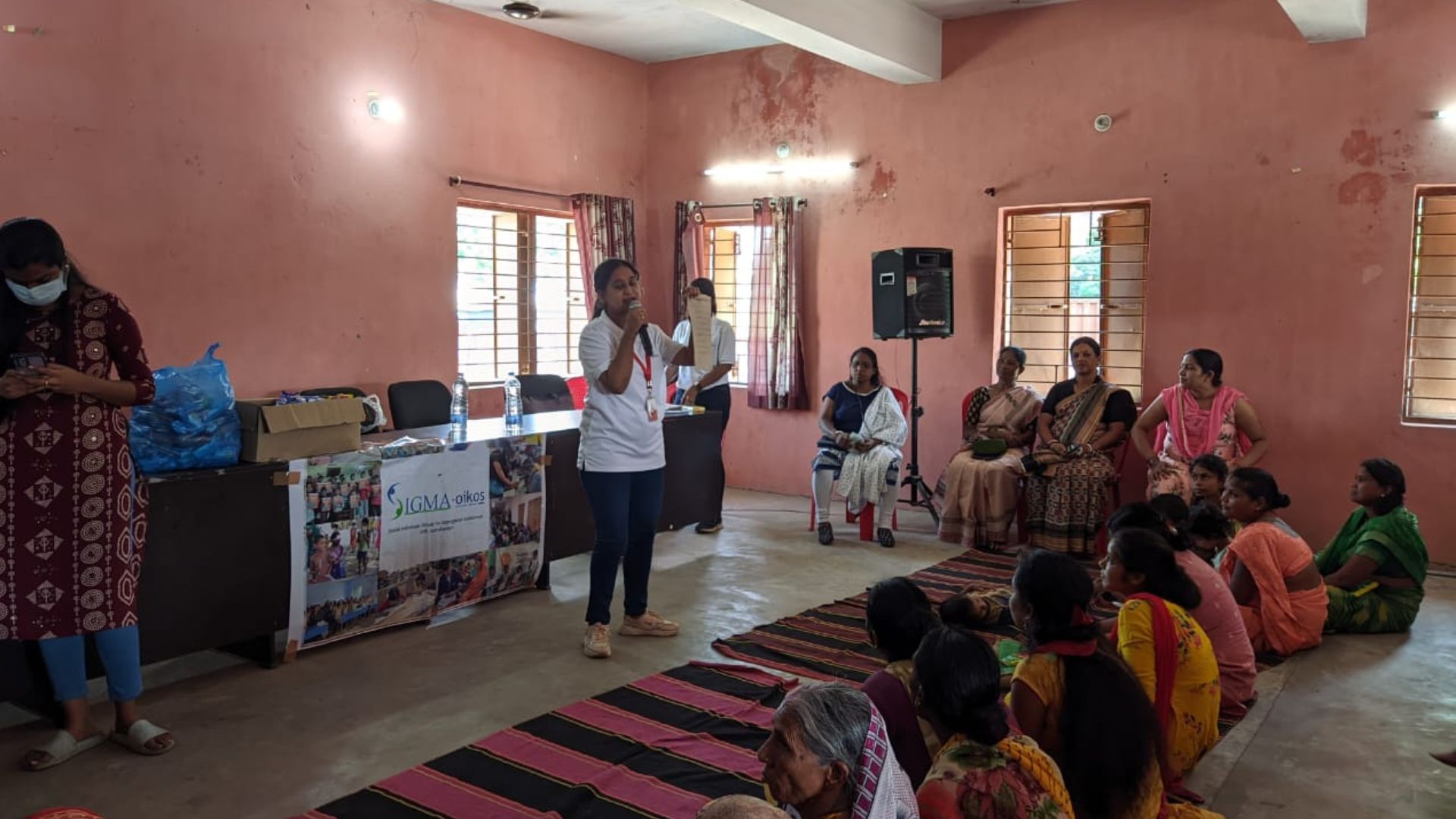
Distribution drive
🌸Image 3
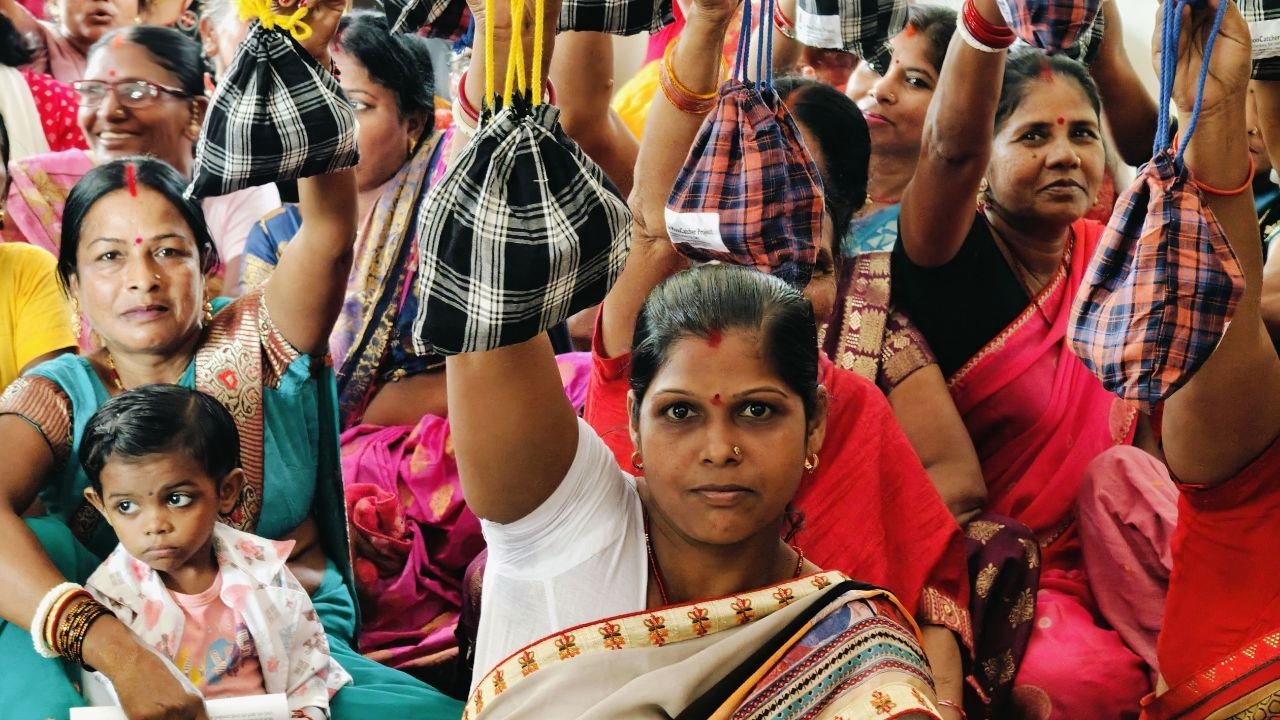
♻️
Eco-friendly
reusable pads

The Name & The Story

Why We're Called Saathi

'Saathi' is a gender-neutral word meaning companion, friend, partner, supporter. It's a deliberate choice. The philosophy behind the project rests on one belief: a Saathi is anyone who walks beside you, listens without judgment, and supports you through a natural biological experience — a parent, a classmate, a teacher, a workplace colleague.

The seed of the project was sown from a personal childhood memory of one of Koru's co-founders. As a young schoolboy, he remembered girls being called out of class for a 'special session' while the boys were left outside — met with whispering, confusion, and a culture of secrecy. Years later, reflecting on that moment, he recognised how deeply silence and shame surround a process experienced by half the world's population, and how critical it is to include boys and men in that conversation.

That's what Saathi stands for — a world where no one feels isolated or ashamed of menstruation.

Our Belief
"A Saathi — be it a parent, a classmate, a teacher, or a colleague — is someone who walks beside you, listens without judgment, and supports you."
The Need

Not Just Sanitation — A Rights Issue

🤐
Social Taboo & Stigma
Deep-seated cultural silence restricts open discussion and breeds misinformation — leading to poor physical and emotional health outcomes.
💰
Period Poverty
Underprivileged girls often can't afford standard disposable pads, resulting in school absenteeism and unhygienic practices.
🌍
Ecological Waste
Standard disposable napkins generate substantial non-biodegradable waste — one more reason we distribute reusable cloth pads that last 3–4 years.

The Initiative

Menstrual health is not
a taboo — it's a right.

Project Saathi was born from a simple conviction: menstrual health is a fundamental right, not a topic to be whispered about. Across schools, colleges, and community centres, we run interactive sessions that open conversations, break stigma, and equip participants with practical knowledge.

We focus particularly on promoting reusable cotton pads as a sustainable, affordable, and dignified alternative to disposable products — especially in rural and underserved communities where access to hygiene products is limited and environmental impact is acutely felt.

From schoolgirls to working women, from teachers to community elders, Project Saathi creates spaces where menstruation can be discussed openly, honestly, and without shame.

🏫
School & College Sessions
Interactive awareness sessions for students aged 11–22 covering menstrual health, hygiene, and product choices.
🏘️
Community Outreach
Reaching women and girls in rural communities — from young girls to women aged 60 — breaking taboos across generations.
♻️
Eco-Friendly Alternatives
Distributing and demonstrating reusable cotton pads — sustainable, affordable, and better for bodies and the environment.
🎓
SRHR Education
Covering Sexual & Reproductive Health Rights — connecting menstrual health to broader conversations on gender and dignity.

Session Reports

Every session. Every story.

From government schools to rural communities — here is a record of every Saathi session conducted, the lives we reached, and the change we witnessed.

Session 01 26 January 2026 📍 Mirjadih, Batipani
174
Girls attended
12–60
Age group
1 Hour
Session duration
🌸 Community awareness session covering menstrual hygiene and eco-friendly product choices across a wide age range.
Session 02 26 October 2025 📍 Gitilata, Potka
120
Girls attended
11–35
Age group
1 Hour
Session duration
100
Pads distributed
♻️ 100 decomposable pads distributed. Participants engaged actively with discussions on sustainable alternatives.
Session 03 09 October 2025 📍 Sakchi Karim City College
60
Girls attended
18–22
Age group
2 Hours
Session duration
🎓 College-level session with in-depth discussion on menstrual health, rights, and product sustainability.
Session 04 18 September 2025 📍 Ahsien International School
80
Students & teachers
Gender & SRHR
Topic covered
✨ Students showed strong interest in reusable menstrual products and learned how to use them practically. Teachers participated actively.
Session 05 23 October 2025 📍 Kasidih Community
100
Women & girls
Community
Setting
🏘️ Women learned about better hygiene practices and showed strong interest in reusable products. Community leaders expressed support for continued sessions.
Session 06 28 June 2025 📍 D.B.M.S Girls School
60
Girls attended
12–17
Age group
40 Mins
Session duration
🏫 Foundational menstrual health awareness for school-age girls. Focused on reducing stigma and building confidence in discussing health openly.
Session 07 29 November 2025 📍 Kasidih Community
90
Women & members
Community
Setting
💬 Participants gained knowledge and actively engaged in open discussions. Second visit deepened community trust and participation.

Three-Year Journey

From Village Entries to Corporate Conversations

Saathi began with a handful of village sessions around Ghatshila. Three years on, it runs across premium colleges, corporate workplaces, and rural community centres alike.

Year 1
2022 – 23
200+Boys & girls reached
400+Cloth pads distributed
3Locations: Gamharia, Ghatshila, Jamshedpur
1Partner school: Ghatshila Public School
Breakthrough village entries
Year 2
2023 – 24
2,400+Boys & girls reached
266Cloth pads for underprivileged girls
4Locations, incl. Musabani
3Partner schools: J.H. Tarapore, KPS Mango, Kids International
45Boys involved in sessions
Year 3
2024 – 25
1,020+Participants (highly intensive)
200Reusable cotton pads distributed
4Locations, incl. Shastri Nagar, Burmamines
4Partner colleges: Bluebells, Ahsien Intl, DBMS, XITE
11Highly targeted sessions
Year 3 marked a deliberate shift in strategy — from broad reach to highly targeted, intensive engagement, including our first corporate outreach, with employees at Moneyfeat, Tuiladungri, and Golmuri joining menstrual health conversations alongside our school and community sessions.
Project Saathi — By the Numbers

Every number represents a woman or girl who now has the knowledge, dignity, and tools to manage her health sustainably.

7
Sessions conducted across schools & communities
1,020+
Participants engaged — students, teachers, community members
100+
Reusable / decomposable pads distributed

Key Achievements

What Saathi has changed

💬
Breaking the Silence
Increased awareness about menstrual health and hygiene — creating safe spaces where menstruation is discussed openly without shame or stigma.
♻️
Sustainable Shift
Growing interest in reusable menstrual products across age groups — reducing plastic waste and making menstrual care more affordable for all.
🏫
Institutional Change
Encouraging workplaces and schools to include menstrual education in their programmes — making it a structural priority, not an afterthought.
🌿
Rural Access
Better access to sustainable menstrual products in rural and underserved communities — reaching women and girls who had no prior access to safe hygiene information.
👩‍👧
Generational Reach
Sessions spanning ages 11 to 60 — bridging generational gaps and changing attitudes across entire communities, not just among youth.
🤝
Community Trust
Multiple return visits to the same communities show growing trust — participants bring friends and family, amplifying the reach of each session organically.


What's Next

Where Saathi Goes From Here

Deepening trust and sustaining behavioural change means thinking beyond the next session. Here's the roadmap.

01
Expand to Rural & Remote Regions
Extending direct outreach to isolated tribal and rural areas of Jharkhand and Odisha, where educational access remains extremely low.
02
Develop Youth Champions
Identifying and training young community leaders — "Saathi Champions" — to run peer-led menstrual health workshops.
03
Train Teachers & Peer Educators
Equipping schoolteachers and educators with standardised materials to run continuous, inclusive sessions independently.
04
Collaborate with Innovators
Partnering with green product developers and manufacturers to ensure consistent, affordable access to eco-friendly options.
"

Project Saathi has helped many people learn about menstrual health, break taboos, and adopt eco-friendly products.

The programme continues to educate and create positive change in different communities — reaching women and girls across schools, colleges, and rural areas. Every session plants a seed of awareness that grows far beyond the room. The journey continues.