Project
Udaan
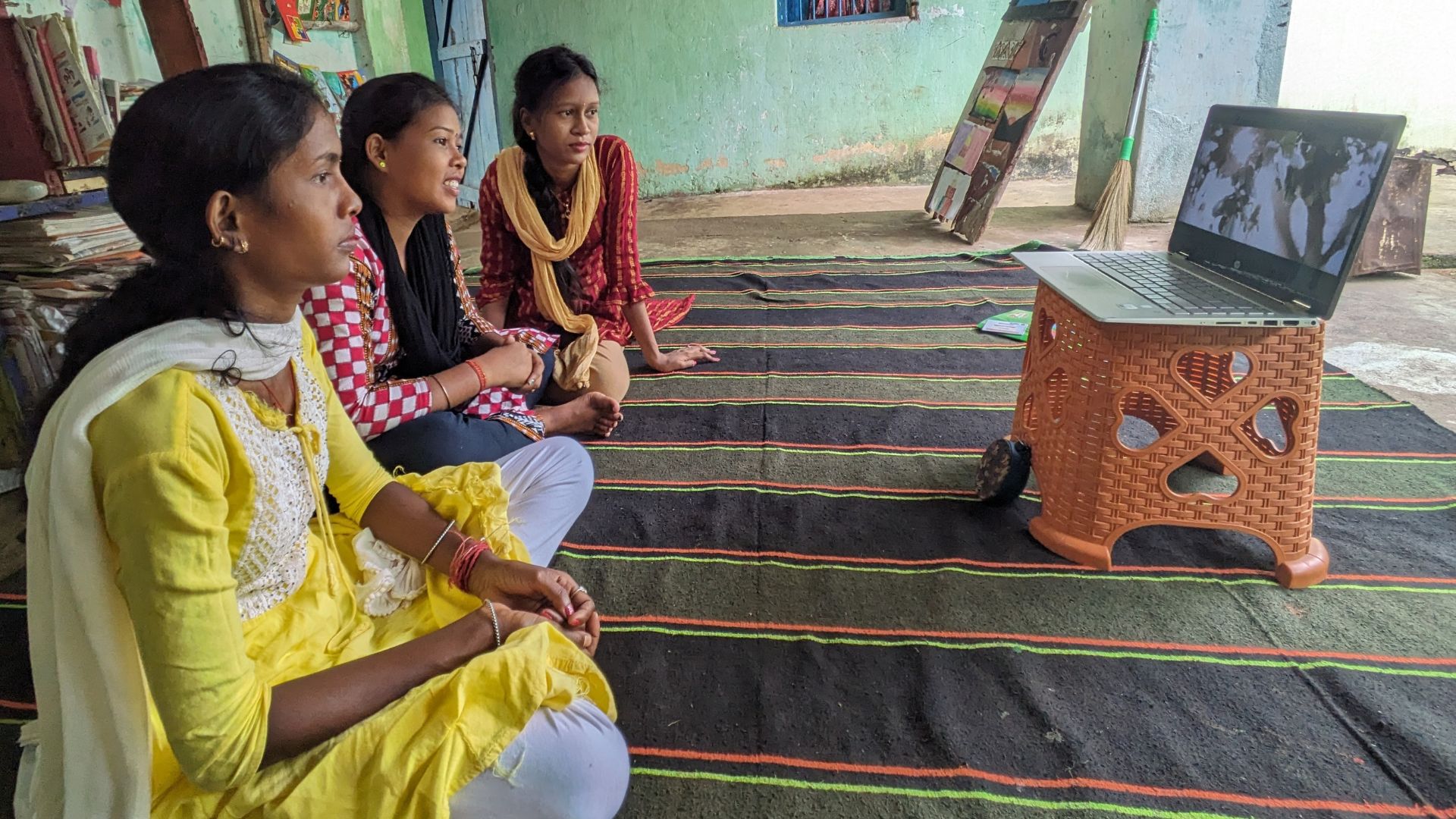
Project Udaan stands as a beacon of academic hope and grassroots empowerment for children in marginalized communities facing acute educational challenges. Centered on a unique youth teaching fellowship model, Udaan recruits, trains, and deploys local community youth as dedicated fellows to conduct impactful remedial classes in foundational Mathematics and English. By leveraging NCERT-aligned pedagogical models and baseline assessment tools, Udaan bridges learning gaps, fosters critical thinking, and instills a lifelong passion for learning. At its core, the project is a shared learning journey—nurturing tribal and underprivileged children toward academic excellence while simultaneously building a new generation of socially conscious youth leaders within the community.
through remedial classes
age group
Education for All — Still a Promise Unfulfilled
Despite decades of policy and investment, educational inequity remains a defining challenge of our time. Students from government schools — particularly from marginalised and tribal communities — fall through the cracks of a system that was never fully designed for them.
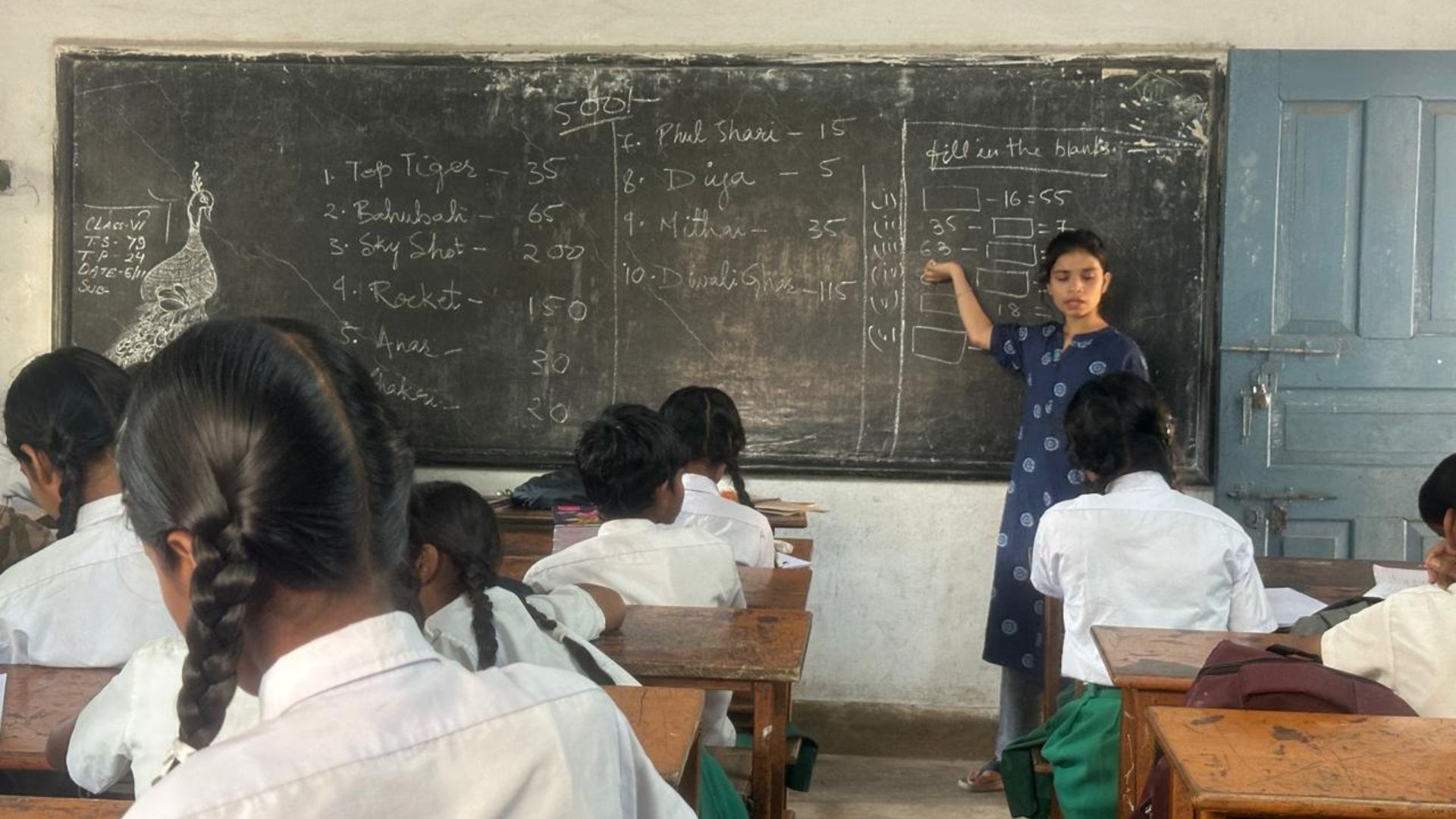
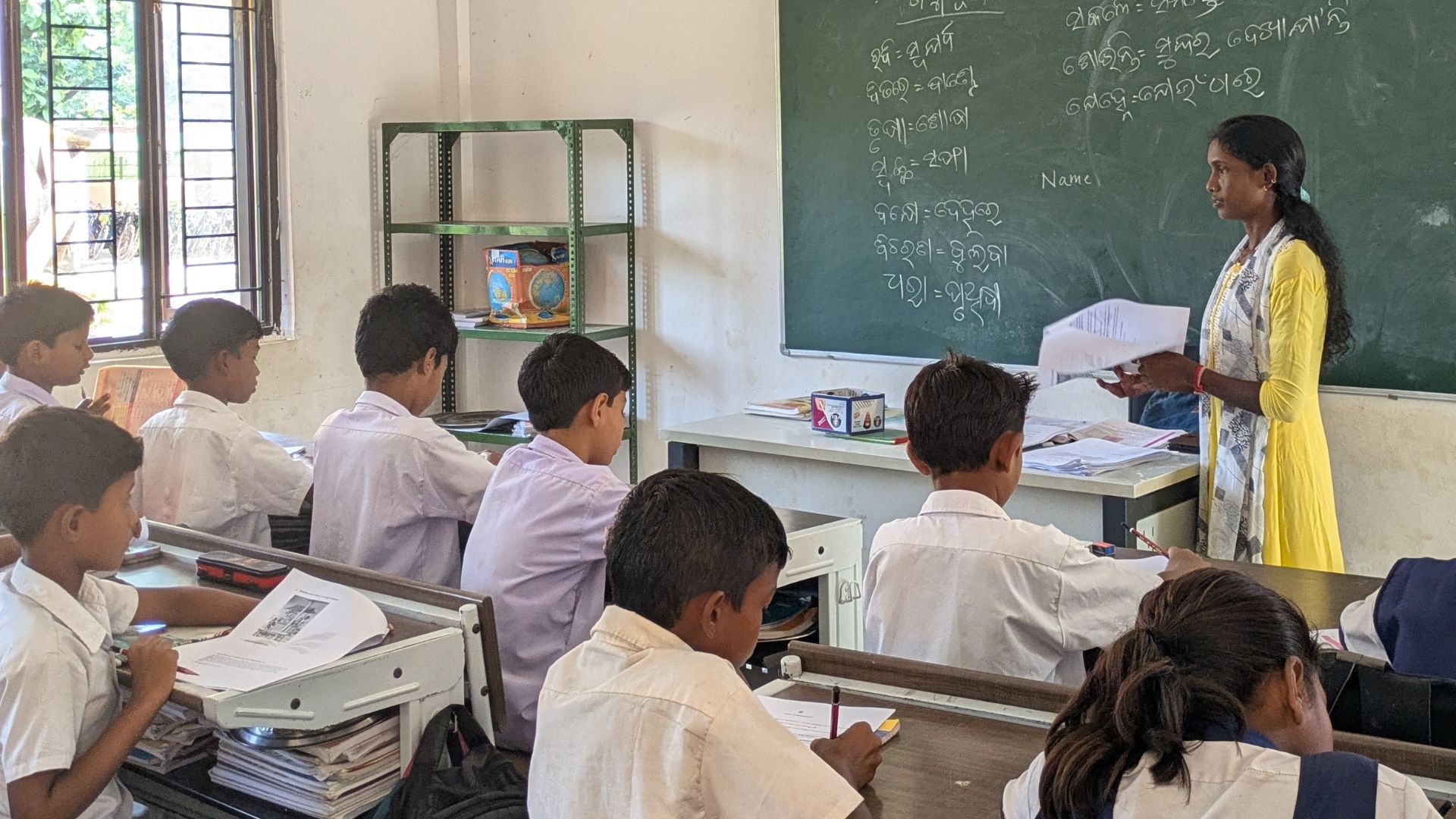
Through Project Udaan, we provide remedial classes to students of government schools from Standard 5th to 8th. Using individual assessments, we identify students who cannot yet read or write the alphabet, form words and sentences, or do basic comprehension. Similarly, we identify students who cannot perform subtraction, multiplication, or division even at 14–15 years of age — and we work with them, patiently and personally, to close that gap.
Our approach is rooted in the belief that every child has the capacity to learn. What they need is not pity — they need a system that meets them where they are.
What Project Udaan Stands For
Addressing inequity in education requires a clear, multi-dimensional vision. These are the seven objectives that guide every decision we make.
The Bridge Programme
The Lahunipada Bridge Programme is an initiative to support the education of children from tribal groups in Sundergarh district, Odisha. Before the pandemic, an assessment by Pranay Manjari revealed that children in several tribal villages had not met baseline learning outcomes in basic literacy and numeracy.
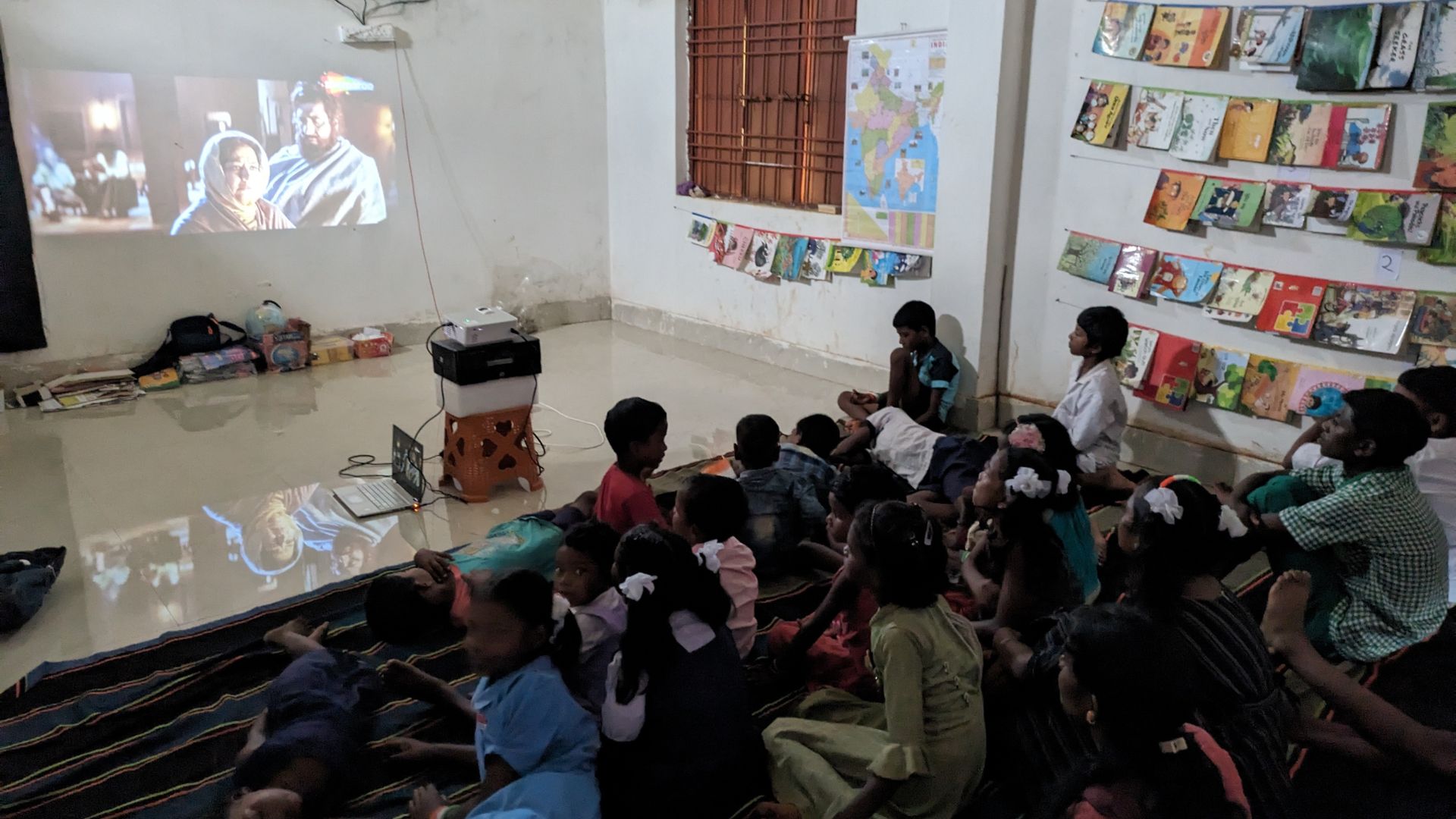
That assessment was the inception of the Lahunipada Bridge Programme — a network of community learning centres where remedial teaching is conducted by educated locals. The programme began with four community teachers appointed across five different villages: Badabil, Mahulpada, Uskela, and Bandhberna.
When the pandemic struck, it made the situation far worse — especially for children who had no access to the internet. Rather than becoming irrelevant, the programme became more necessary than ever. In November 2021, Shreejita Das joined as teacher and learning centre-in-charge, adding the Khuntgaon Learning Centre to the network. The Kahani Project joined as a partner, and its continuous support has helped the programme grow ever since.
2020
21
2021
Trust is the Foundation
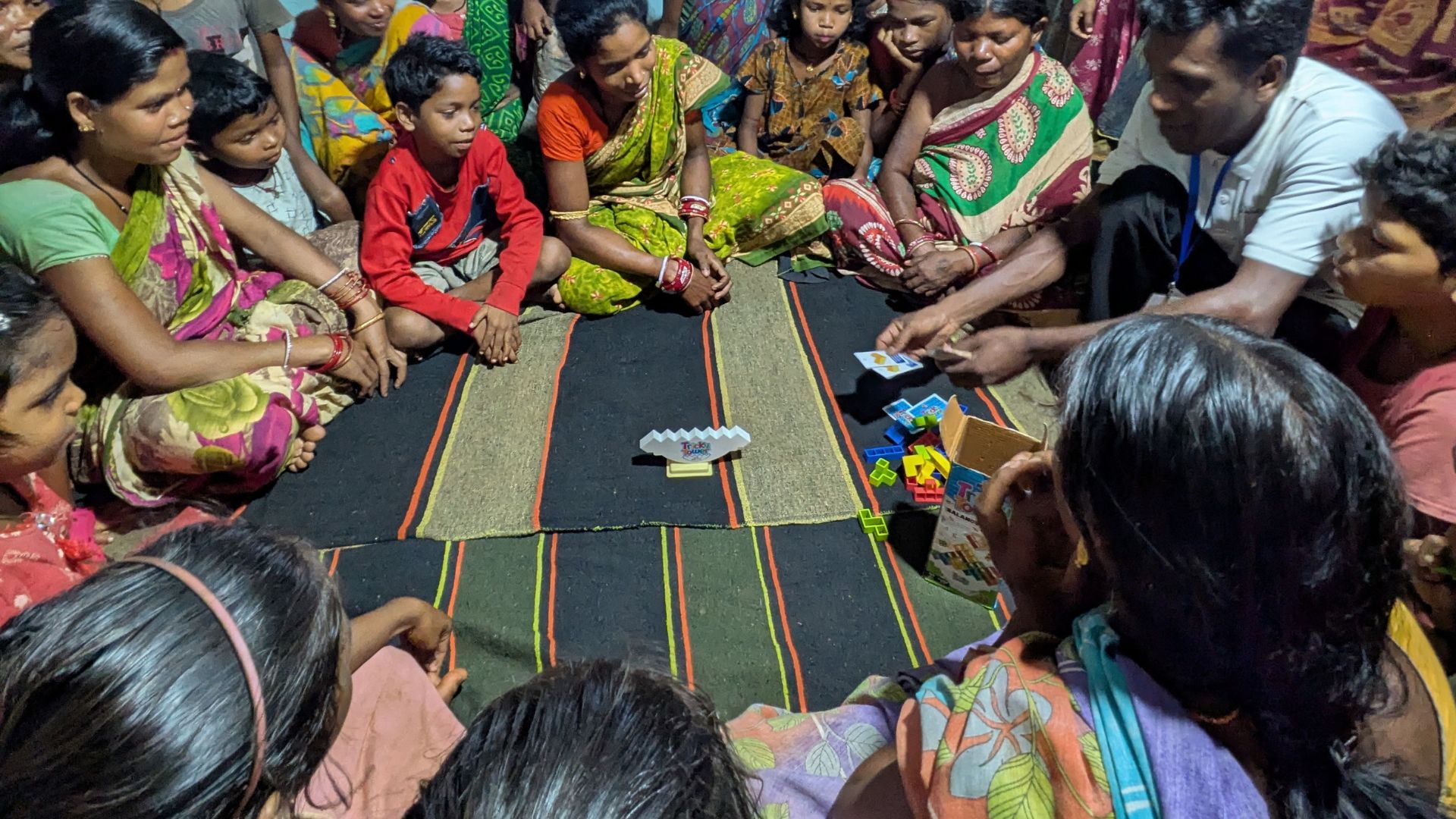
Six months ago, Shreejita reached a place of a different culture and language — with a certain fear of not being accepted easily. But in the initial months, she and the learning space started building a relationship of trust with the children. Eventually, she felt that their lifestyle and daily lives needed to be explored to truly understand the children's actions and motivations.
It was also important to understand how villagers themselves perceive education. Community visits taught her that people trust a space when they find true compassion and respect for their lives. When compassion is present, language is no longer a barrier to communication.
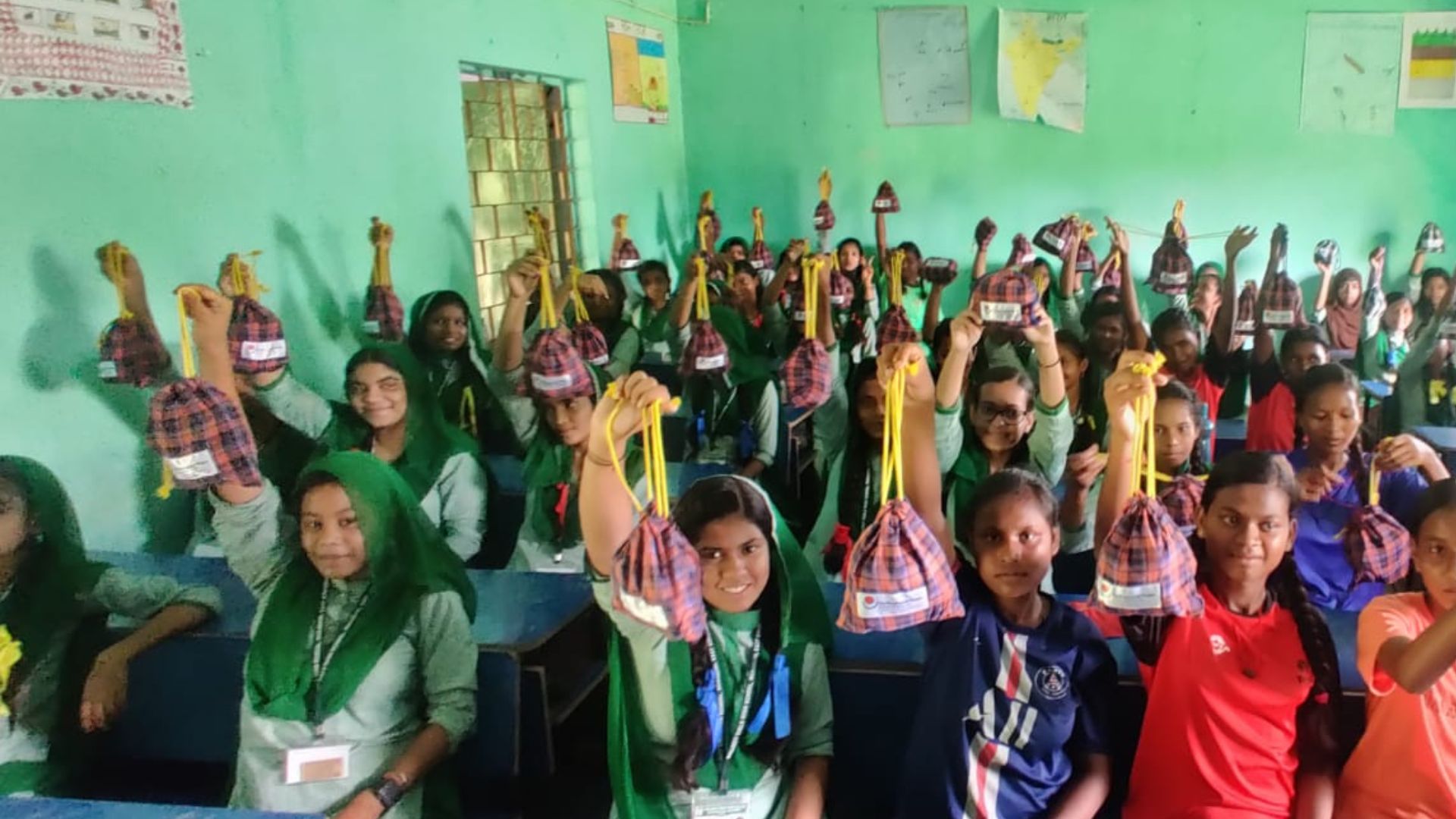
Drives for joining the learning centre were also a part of these community visits — and students of the centre led those drives proudly.
Some Learning Outcomes
Real progress with real students — documented before and after to show the measurable impact of consistent, compassionate remedial education.
From Sundergarh to Jamshedpur
Udaan began as five village learning centres in tribal Odisha. Three years on, it has grown into a dual-geography programme — still rooted in Lahunipada, now also running inside Jamshedpur government and low-income private schools.
NCERTAligned learning-level assessment
Every number represents a child who now reads, writes, or calculates with confidence they did not have before.